
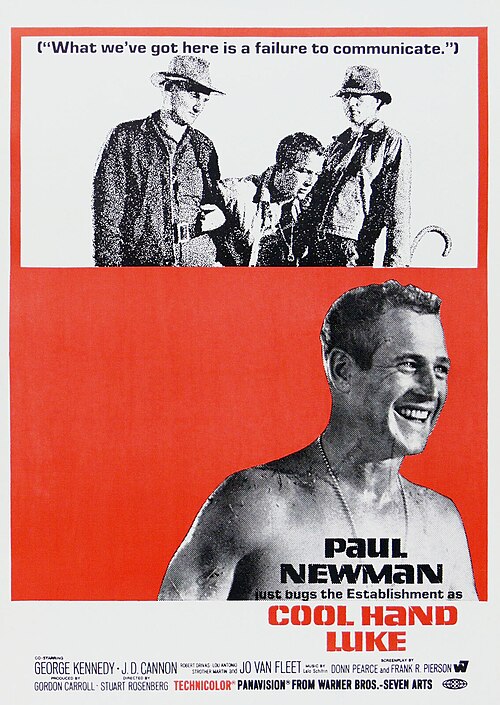
“What we have here is a failure to communicate” — the warden’s famous line from Cool Hand Luke. Have you ever heard your client say something like this? If you are in the communications or marketing field, or a business consultant, this is the kiss of death.
As public relations consultants, our job is to portray our clients and their companies in the best possible light, generate excitement about their products and services, and minimize the damage of any negative news through reputation management. But just like any human interaction, simple misunderstandings or a lack of clarity can have a tremendous impact on the consultant-client relationship, escalating into more serious consequences down the road.
Consultants must be 100% certain that they are conveying the client’s point of view correctly. Here are three steps we recommend before moving forward with any public announcement or statement:
Step 1: Confirm the Core Message in Writing
Before any statement, press release, or pitch goes out, send a written summary of the key message to your client for explicit sign-off. A verbal “sounds good” in a meeting is not enough. Written confirmation creates a shared record that aligns expectations and eliminates the possibility of miscommunication down the line.
Step 2: Ask the “What Would Embarrass You?” Question
Before publishing anything, ask your client directly: “Is there anything in this message that would surprise, concern, or embarrass you if it appeared on the front page of the newspaper?” This single question surfaces hidden concerns that clients often forget to mention. It is better to hear about a sensitive topic from your client in private than to learn about it from a journalist in public.
Step 3: Close the Loop After Every Placement
Once a story runs or a statement is published, follow up immediately with your client. Walk through the coverage together. Confirm they are satisfied. Ask if anything needs clarification for the next opportunity. Closing the loop reinforces trust and prevents a small misunderstanding from hardening into a lasting grievance.
If you follow these three steps consistently, you prevent a “failure to communicate” and the very real risk of losing a valuable client relationship. Clear, proactive communication is not just a courtesy in this business — it is the foundation of everything we do.